Since there wasn’t enough space to fit into one post all the photos of what the Galapagos has to offer, here is Part 2 for you. (If you haven’t seen Part 1 you can see it here)
Day 5 – Isabela
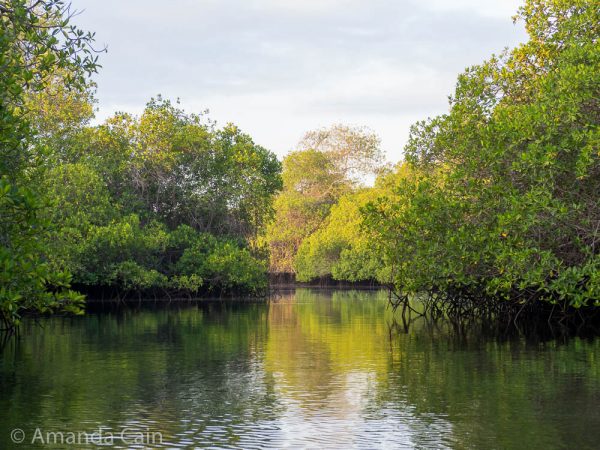
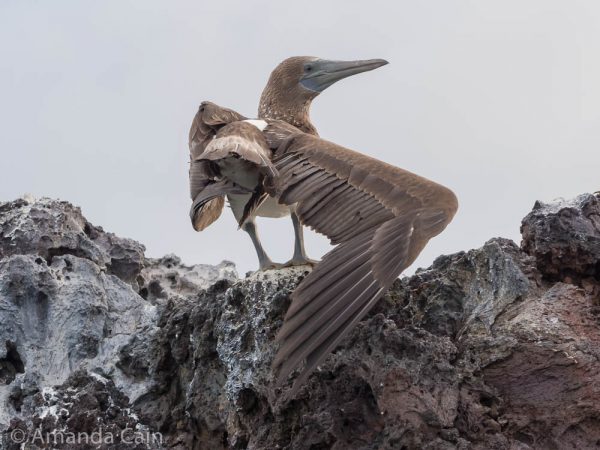
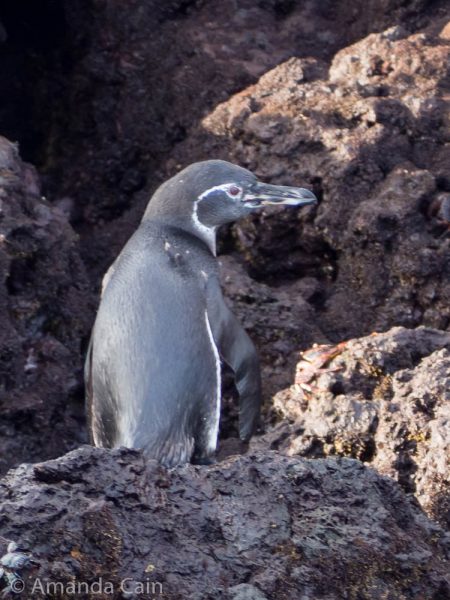
Isabela Island is the biggest island in the Galapagos so we made a few stops at different places on the island. We started at dawn in Elizabeth Bay which is a shallow mangrove lagoon that’s popular with turtles and sting rays. We didn’t have much luck on the sting rays but every couple of minutes we’d spot a new turtle either swimming, eating or resting on the bottom of the lagoon. There were also plenty of seabirds on the rocky islands just outside the bay, including penguins. These guys are like little torpedoes in the water. We went snorkelling with them and they just zoom straight past you, barely even flapping their flippers.
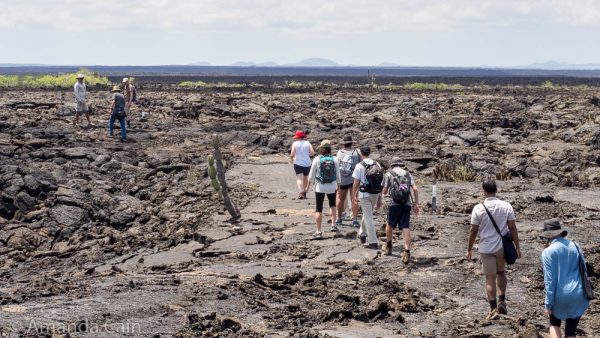
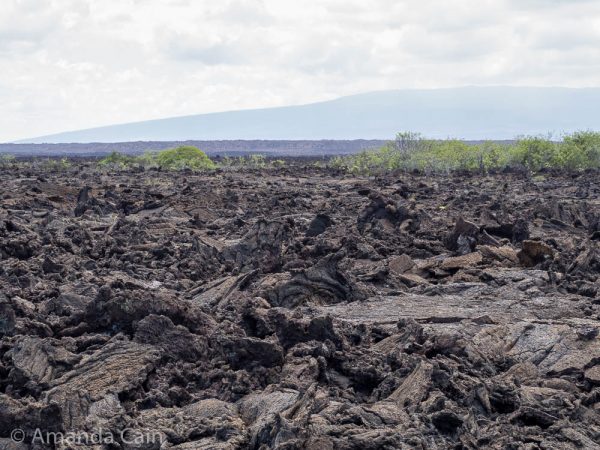
After Elizabeth Bay we stopped off on another part of Isabela to go explore the huge lava fields from a nearby volcano. The lava formations there looked like the lava had flowed out from the volcano, frozen into rock, then cracked and broken apart when the lava had cooled. There were bits of jagged rocks sticking up all over the place, and areas where hollow sections of the lava formations had collapsed and left huge gaping holes.
Day 6 – Isabela
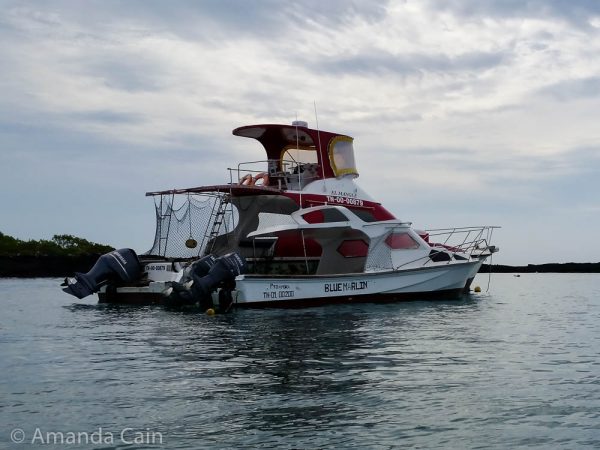
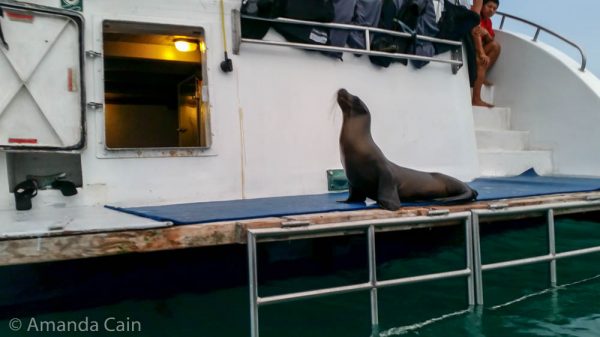
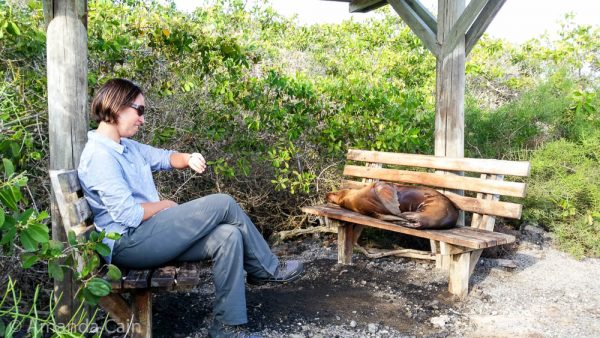
This day we spent in and around the small town on Isabela Island: Puerto Villamil. The port is home to a large number of sea lions who don’t seem too upset by all the people and boats. The sea lions actually haul themselves up onto boats when they want to have a rest. So you’ll see them sleeping on all the boats in the port.
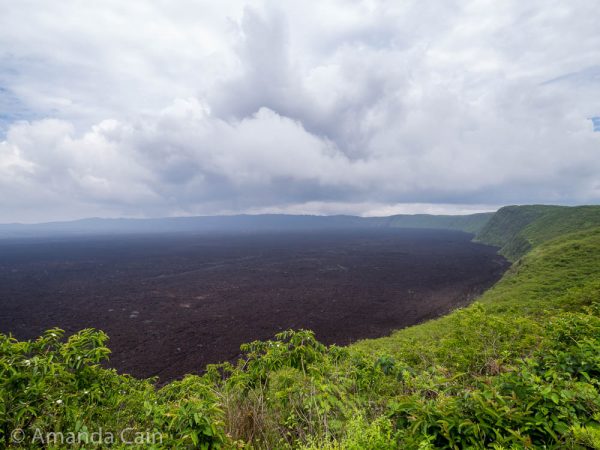
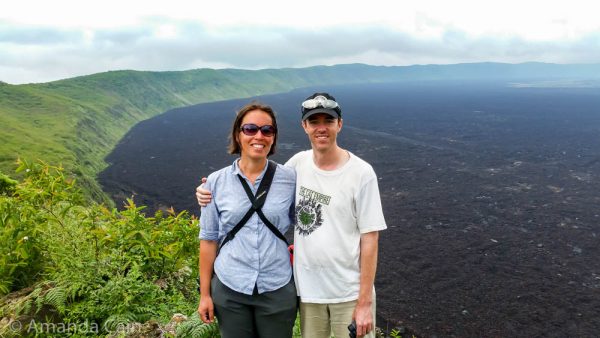
We also climbed up to the top of the Sierra Negra volcano which has the second largest caldera in the world, nearly 10km wide. When you look inside it you can see the black “lake” of solidified lava.
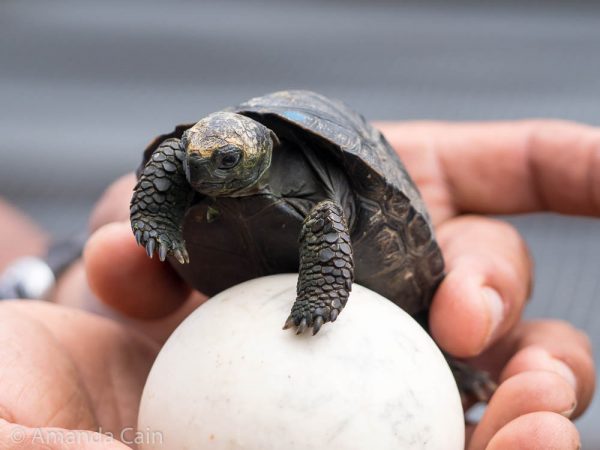
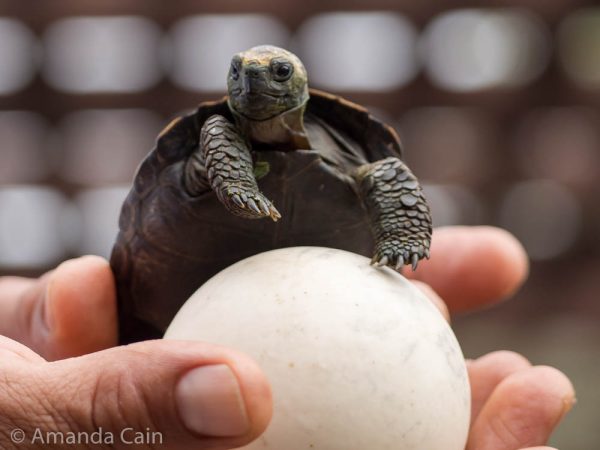
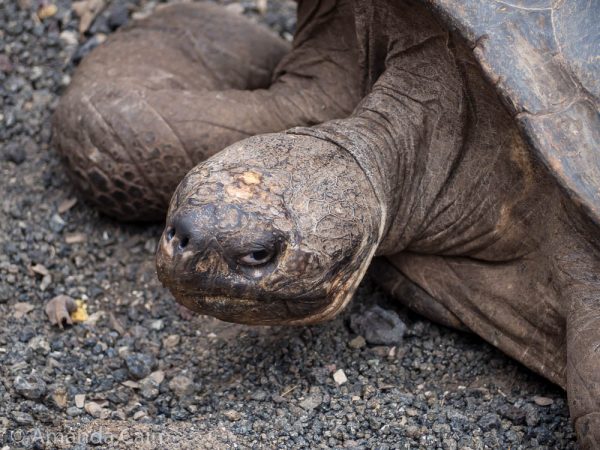
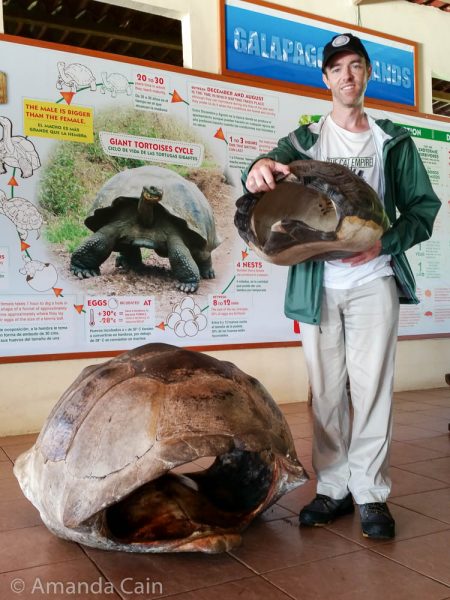
Purto Villamil also has a giant tortoise breeding centre where they keep them until they are 5 years old then release them into the wild. After 5 years their skin becomes thick enough that ants can’t attack them and they have a better chance of surviving. The centre is going well and they hope that within 20 years they can close the centre because the tortoise population will have recovered. There’s not too many jobs where you hope that you will be out of a job in the future.
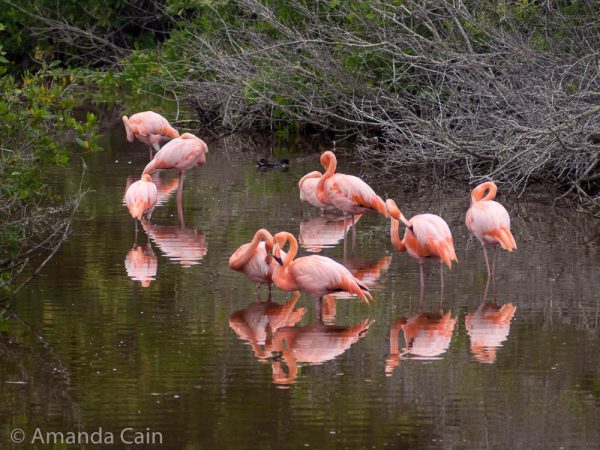
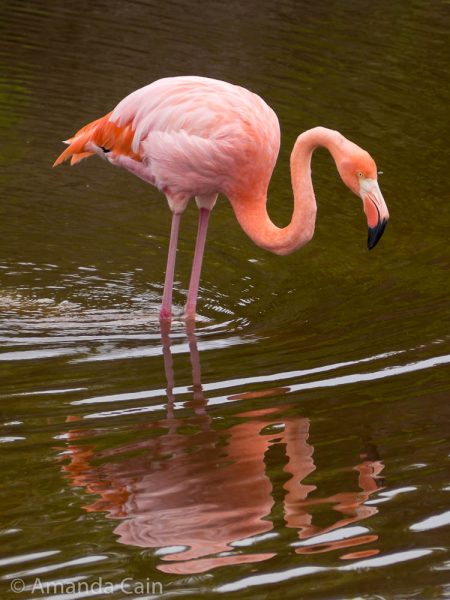
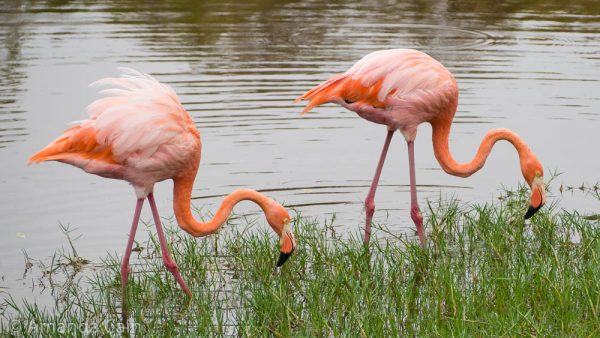
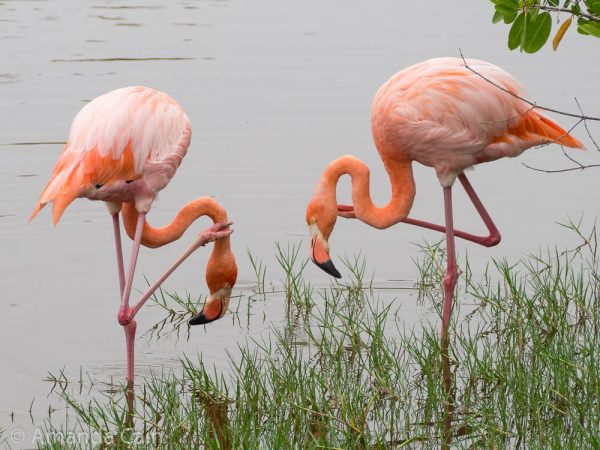
Our last stop for the day was the flamingo lagoons just outside of the town. And we finally got lucky enough to see more than a couple of them in one spot.
Day 7 – Santa Cruz
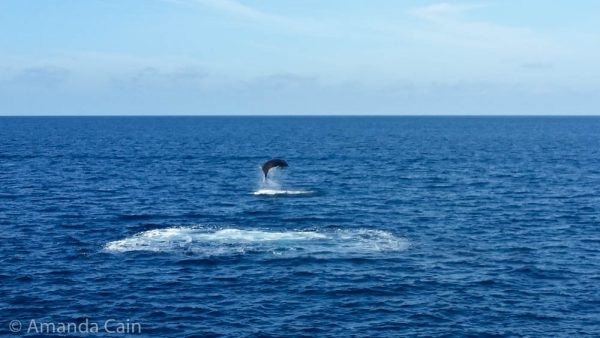
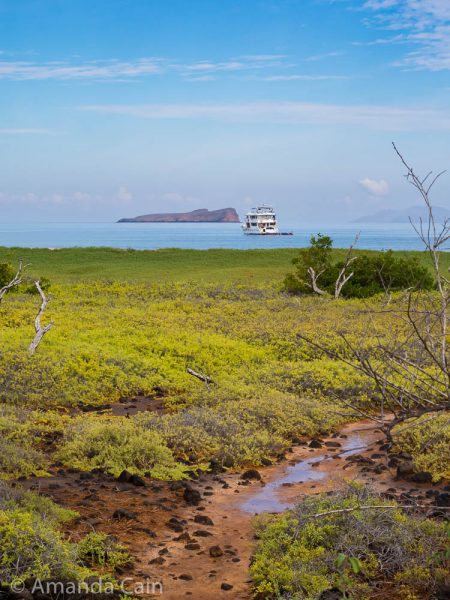
After our busy day we had a relaxed day on Santa Cruz checking out huge yellow iguanas and beautiful scenery. We also spent more time sailing this day, which actually worked out very well. As we were sailing to our final port we had a pilot whale swim past our boat, turn around and dive underneath it, then jumped out of the water right behind us. Twice! Even the crew were cheering, so this must not happen very often. We also saw plenty of manta rays jumping out of the water as we went along. There would’ve had to have been 50-100 of them that we saw in 4 hours. They were 2m wide and they were jumping a couple of metres into the air, sometimes doing flips, sometimes just flapping before bellyflopping back into the water.
Day 8 – Santa Cruz
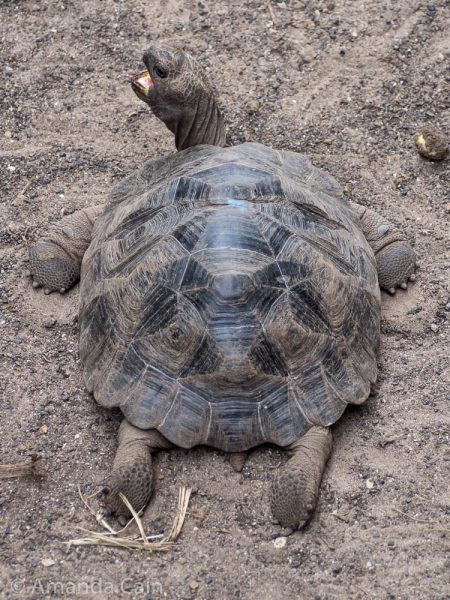
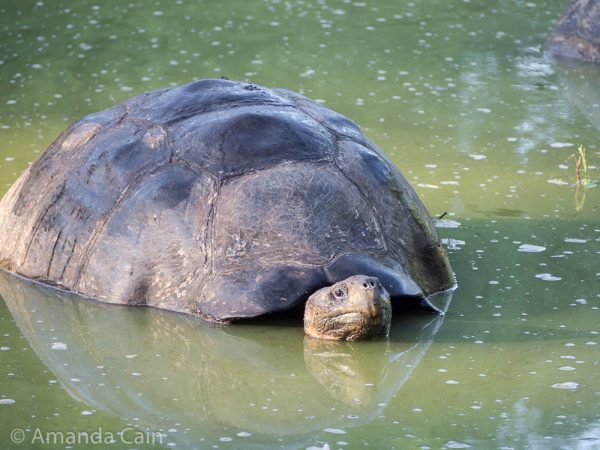
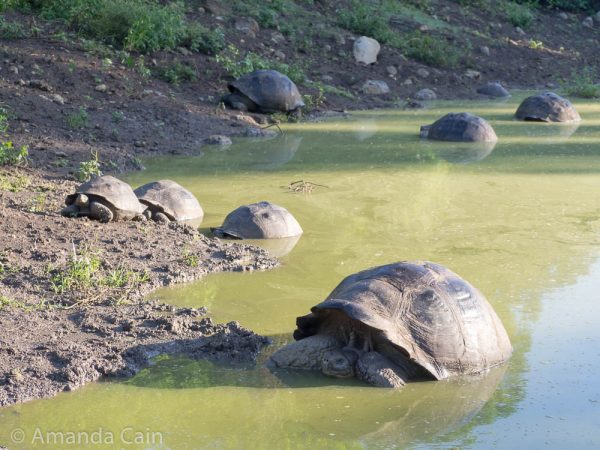
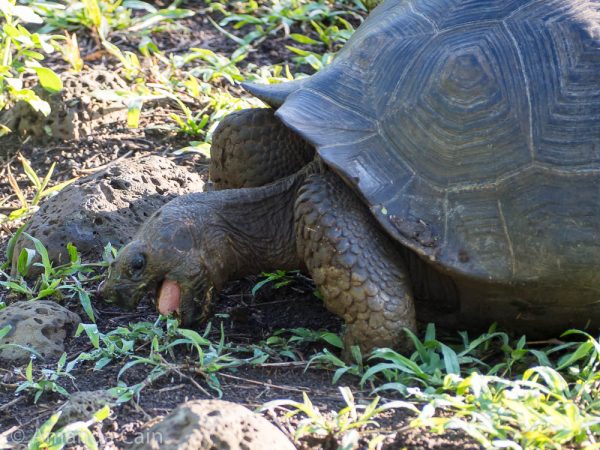
Our last day in the Galapagos. Our final stop was a tortoise “ranch” in the highlands of the island. This was a place where they have lots of open space, grass and water and the wild tortoises come to hang out. Some of the tortoises there were enormous, as much as 400kg!
Overall
We had an amazing time visiting the Galapagos Islands, and even though it was pretty expensive it was worth every cent. (If you’re not an animal lover then it’s probably not worth it). We went during the calm season when the sea was pretty smooth. But you still get the big swells coming off the Pacific Ocean and the boat would rock 30° either side of vertical. I’m pretty sensitive to seasickness, and it took me a whole week to finally get my sea legs. (I was landsick for a few days after getting off the boat). So if you get seasick easily, don’t got in July/August when the sea is very rough.
You can visit the islands by staying in hotels on land, but we think it’s better on a boat. Mainly because you can start your day at dawn when the animals are most active, and you can get to the more distant islands which have more animals. We went on a 16 person boat with Intrepid and that was a good group size. The group was small enough that we got to know everyone quite well and bonded together as a group. We all ended up going out to dinner together the night we got back to Quito. It’s already #1 in all the places we’ve been to, so we’ve done things in the wrong order. We should’ve saved it for last!

Beautiful photos and inhabitants of that island, amazing to see them in real life, they look very cosy.
Photos captured those expressions especially the features and how they feel at that time , just by looking at it, so tame , what an experience for you both! Love it.
Mum
It was amazing how close we could get to the animals and how calm they were even with people walking around near them. I don’t know if there’s anywhere else in the world like it.