Heading north from our adventures in La Paz we came to Lake Titicaca. This was and still is an important spiritual centre for people from the Andes. It’s where the sun and moon came from in the Andean creation legend, and where the spirits of the dead go.
Tiwanaku
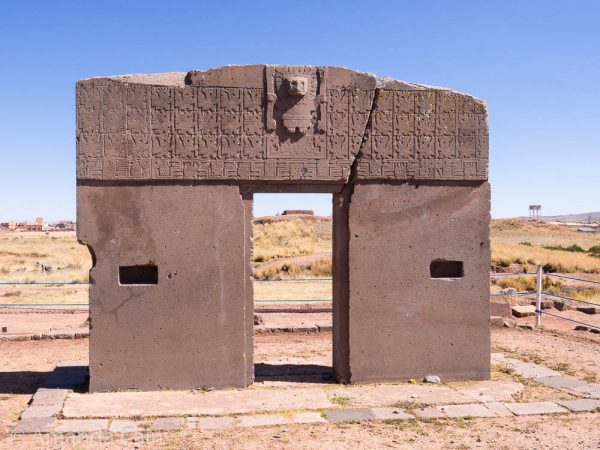
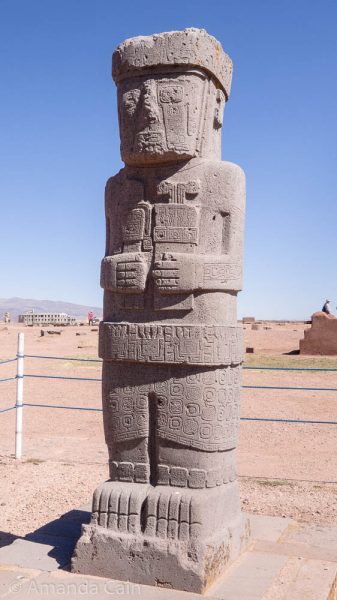
Tiwanaku has some of the earliest ruins near Lake Titicaca, the oldest are over 2000 years old. That’s 1500 years before the Incas. And back then Tiwanaku was very powerful and had its own empire. Unfortunately they didn’t have a written language, not much is known about them and there’s a lot of guessing. Our tour guide had some pretty out-there theories about Tiwanaku like: the Ancient Egyptians came to help them, they used lasers to precisely cut the super-hard granite stones, and of course, aliens. No conspiracy theory about mysterious ancient civilisations is complete without aliens.
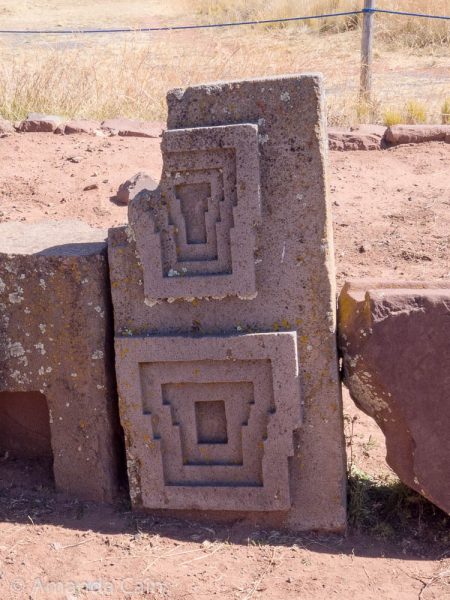
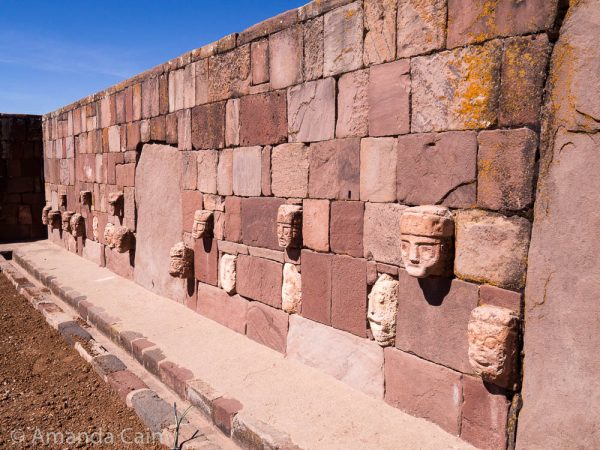
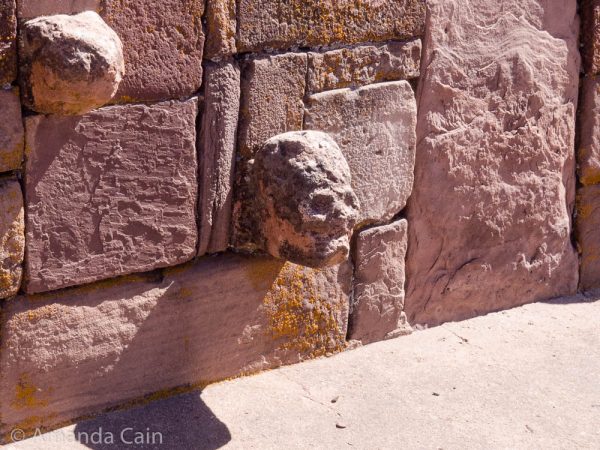
The most interesting section of Tiwanaku is the underground temple. It’s a large square pit, and in the walls are carved heads, but they’re all different. The theory (less crazy than aliens) is that each head represents a different group of people from the Tiwanaku empire.
Isla del Sol
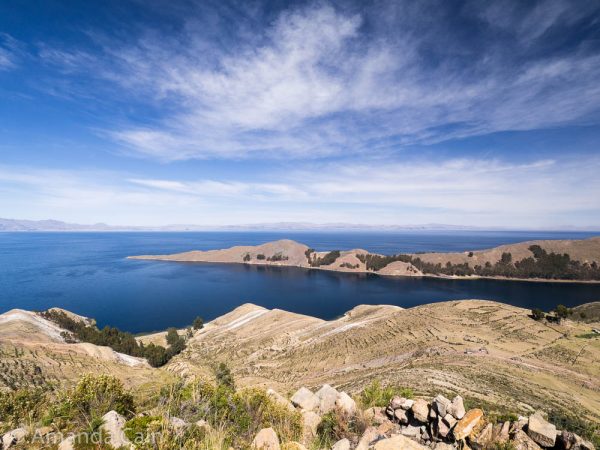
After our visit to Tiwanaku we headed off to Isla del Sol, an island in the middle of Lake Titicaca. It was here that legends say the sun and moon came from, and also where the first Inca king was born. Lake Titicaca is one of the highest lakes in the world, 3850m above sea level. And the hike from the port to our guesthouse was a serious effort. Especially for Pedr since he was carrying both big bags (about 25kg).
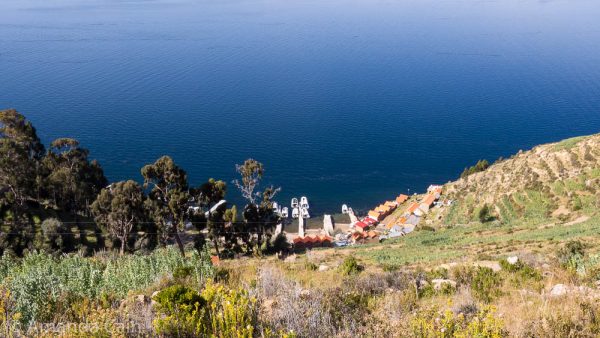
From the port we had to go up steep stairs to climb up to over 4000m above sea level. Pedr looked like he was about to die a few times, so I had to really make sure that we hadn’t walked past our guesthouse. Otherwise I’m sure Pedr wouldn’t have spoken to me for a week. But in the end it was all worth it. Our room had 180 degree views over the lake. And all for the grand price of $27!
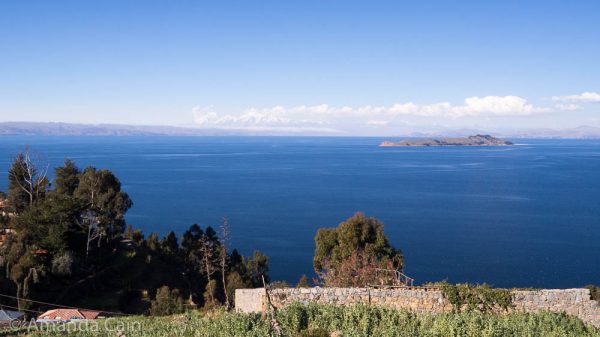
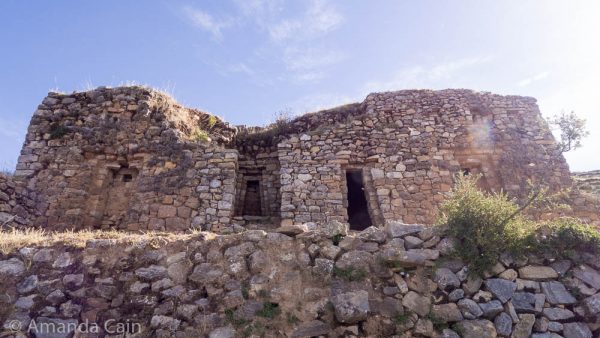
Isla del Sol is also a very scenic island even without knowing anything about its spiritual importance. You can easily spend a few days walking around the island checking out the viewpoints and ruins from Inca times. Unfortunately we couldn’t walk around the whole island because two of the three villages have an argument going, so only the southern section with the third village is accessible for tourists.
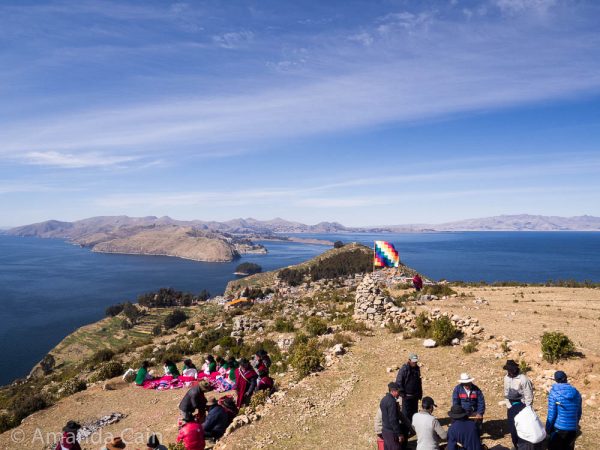
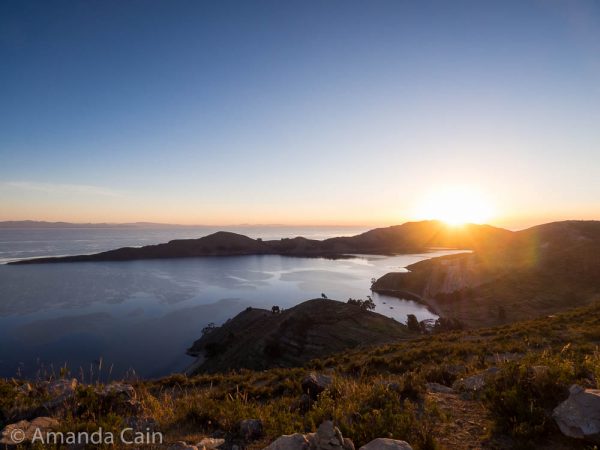
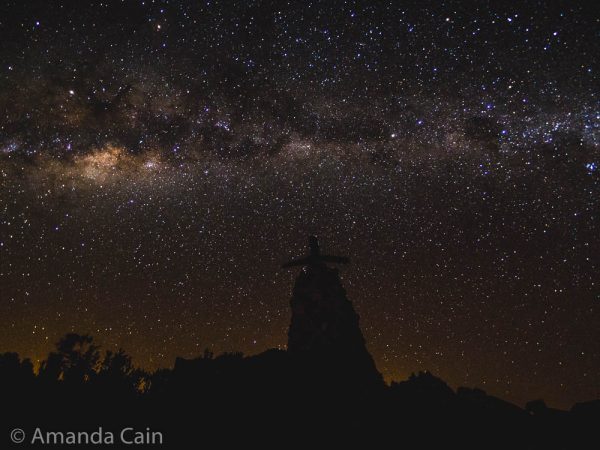
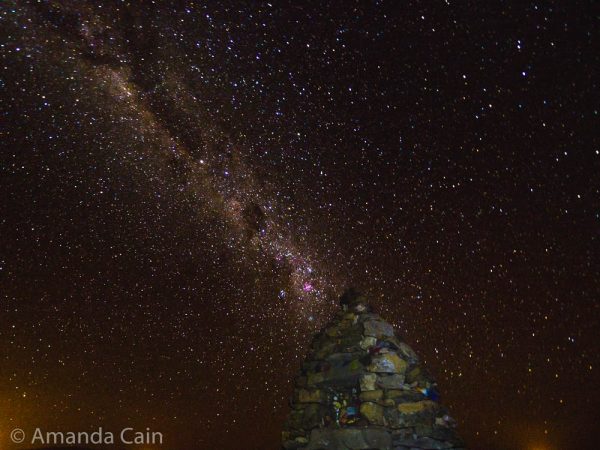
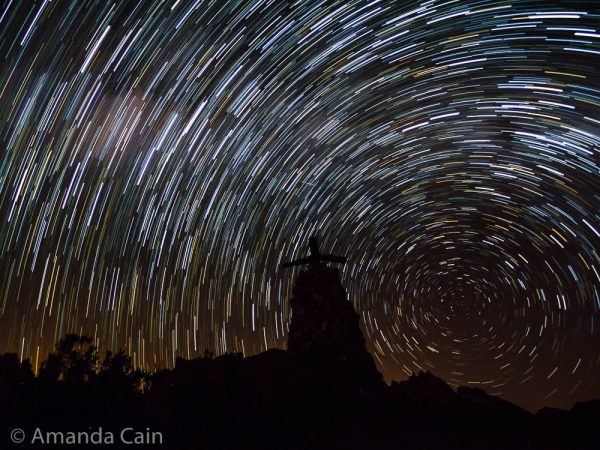
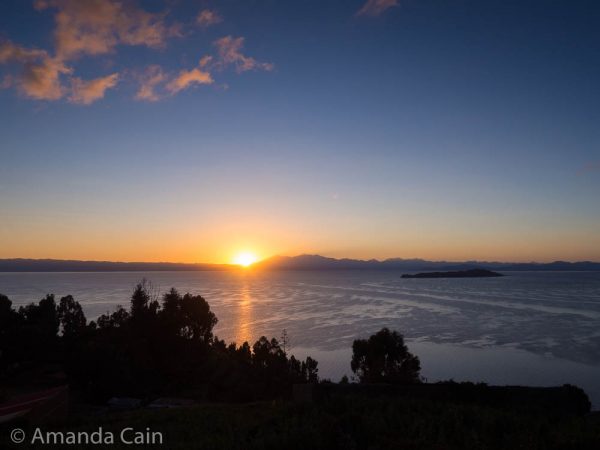
We arrived in time for the winter solstice which is a big celebration in the Andes. This is the beginning of the new year in the traditional calendar. The night before and all through the day the locals set off fireworks to celebrate. For us, we watched the sunset, stayed up late to see the stars, and then got up early for the sunrise (which we could watch from our bed).
Uros Islands
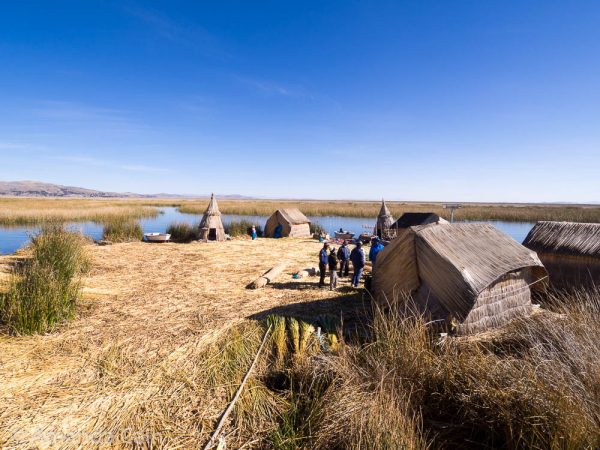
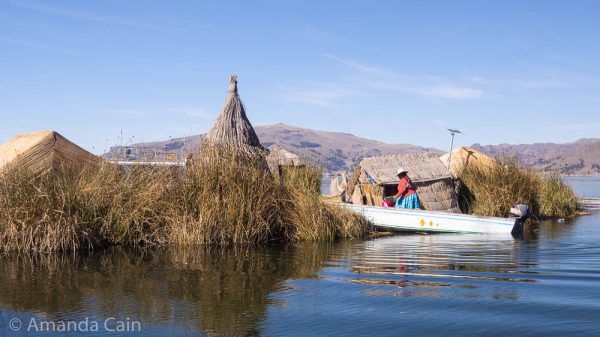
After the solstice it was time to say goodbye to beautiful Isla del Sol and cross the border into Peru. From there we went to visit the famous floating islands of the Uros people. There are about 70 of these islands made from matted reeds. And each one has a few houses with up to 12 people living on them. They have to keep adding fresh reeds to build up the islands because the reeds at the bottom are rotting away, and then the islands would sink.
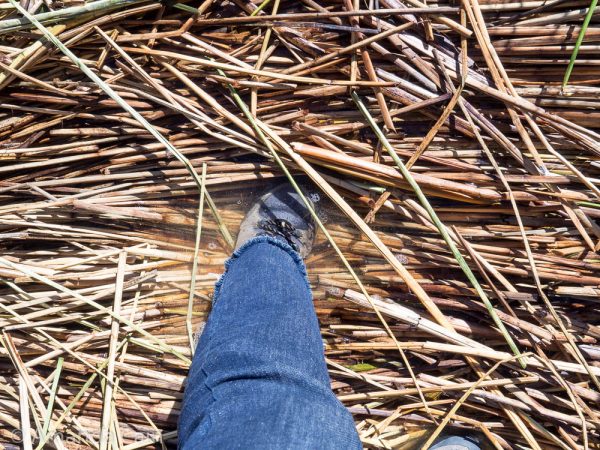
They originally built these islands to avoid the Inca king’s armies, and it worked because the Incas just ignored them. Nowadays it’s mostly the older people living on the islands, most of the young ones have been sent to the mainland to study and get jobs.
Inti Raymi
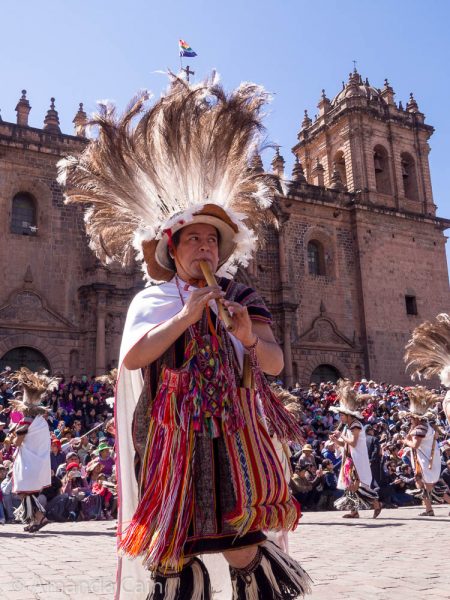
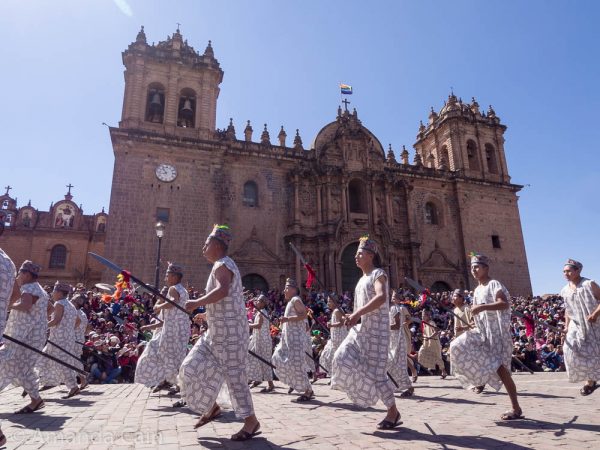
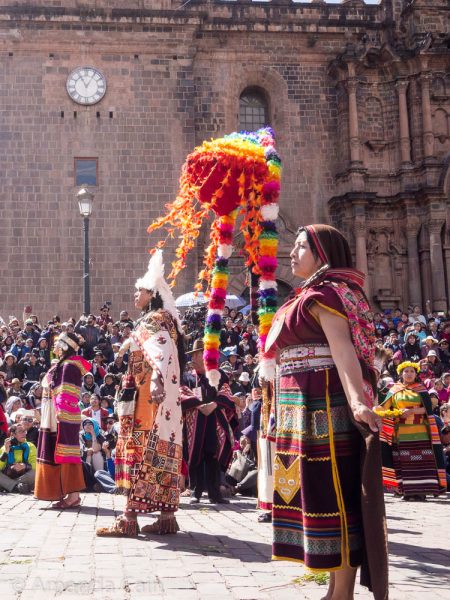
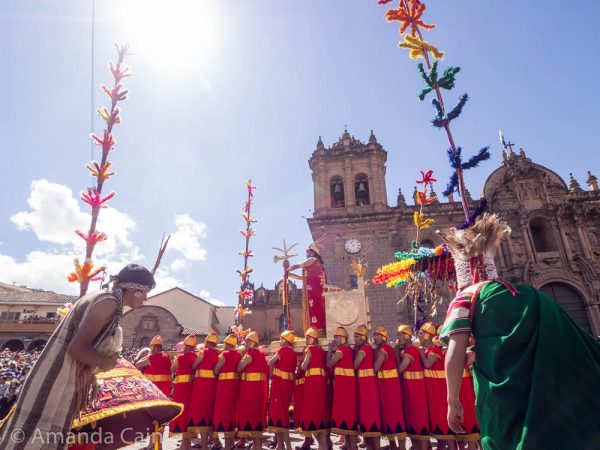
From Lake Titicaca we then went on to Cusco, the capital of the Inca empire. Just by coincidence we arrived there in time for the Festival of the Sun: Inti Raymi. The celebrations start with a parade in traditional costumes through town in the morning. And then after lunch they re-enact the traditional ceremony on the Inca ruins above the city. One interesting thing we learnt is that the people playing the roles of the Inca king and queen are actually descendants of the Inca rulers. We were only able to watch the parade, since we got to the ruins too late to get a good view. So here’s some parade photos.

Leave a Reply