Ecuador has a lot of animals, and not just in the Galapagos. After we made it back to Quito we spent a day visiting the Bella Vista Cloud Forest to go see the hummingbirds.
Bella Vista Cloud Forest
This place used to be farmland, but an English expat bought the land 20 years ago and let the forest reclaim it.
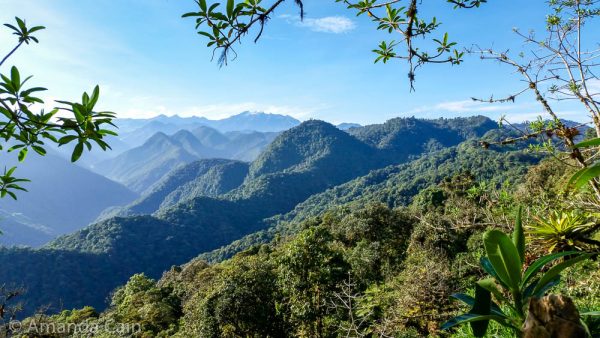
So now it’s full of trees, flowers and animals again. And it’s especially full of hummingbirds.
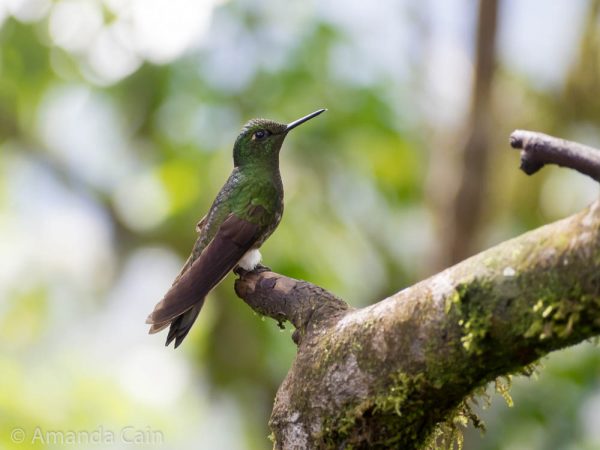
They have a bunch of bird feeders around the main lodge and you have hummingbirds buzzing past constantly. They can beat their wings as fast as 80 times per second. The smallest ones we saw were only 8cm long so they looked and sounded like big bumble bees.
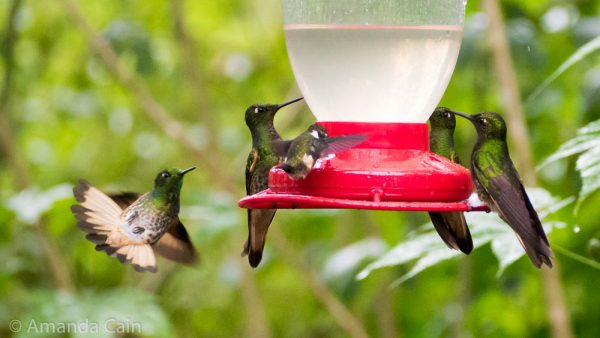
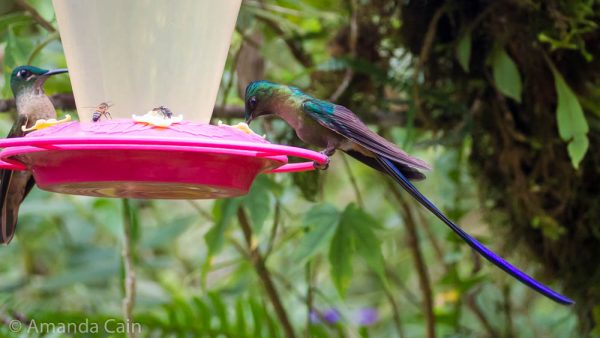
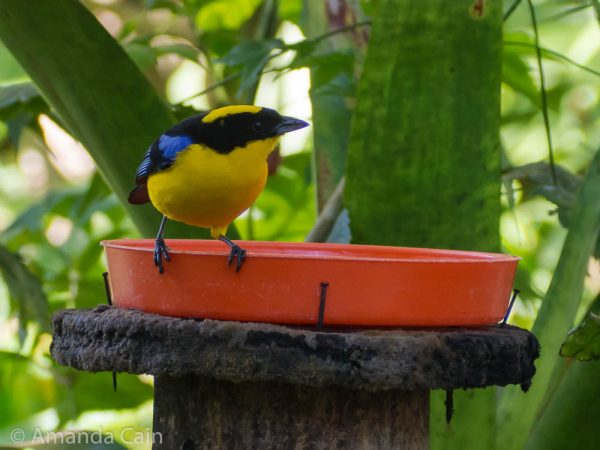
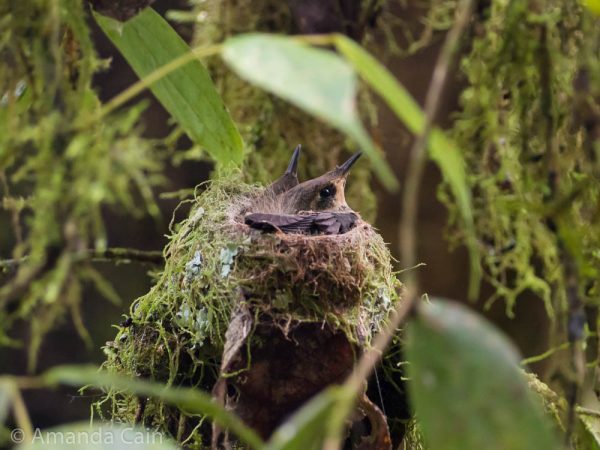
After spending quite a bit of time at the bird feeders (we could’ve happily spent all day there), we went for a walk through the forest to go look for more animals and flowers. It’s amazing just how much the forest has recovered in a fairly short time. There aren’t too many really big trees, but everything is covered in plants of some kind and you can hear the birds singing and hummingbirds zooming around. We were even lucky enough that we got to see a nest of baby hummingbirds!
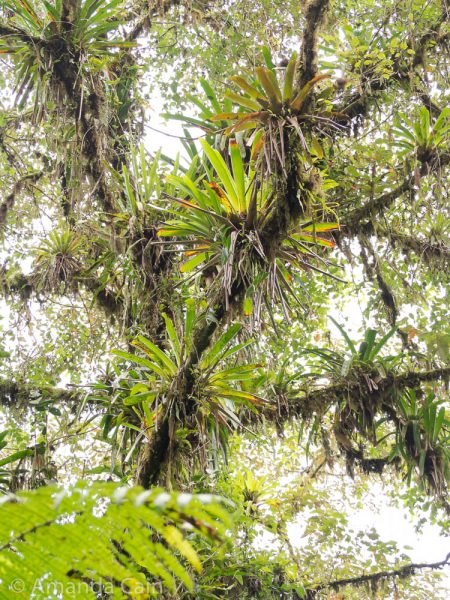
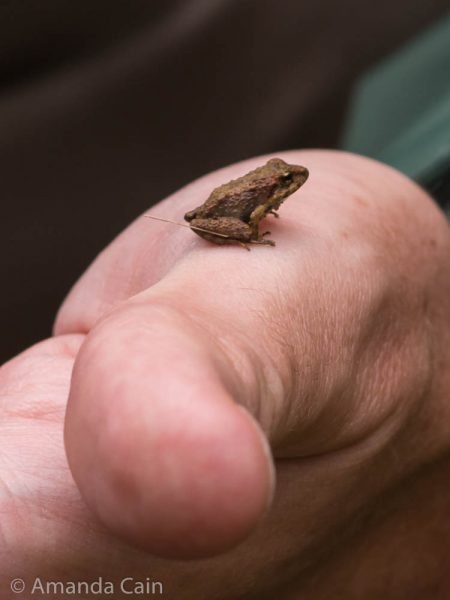
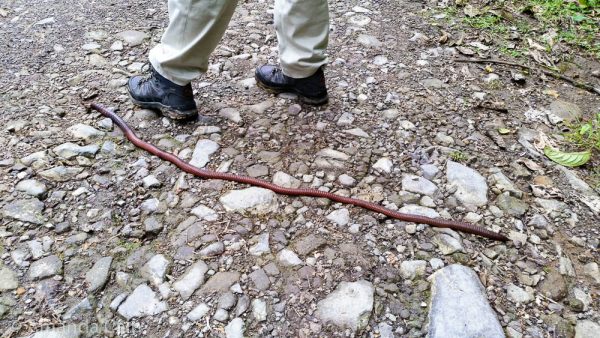
And the animals weren’t done with us when we tried to leave, as we were driving back to Quito we had to stop because a giant earthworm was blocking the road. When I say giant, I mean GIANT.
The Equator
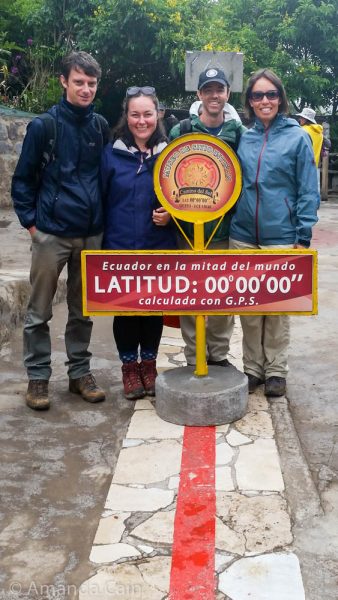
On the way back from Bella Vista we stopped at the “Middle of the World” monument, which is a small touristy spot on the Equator. Here they have some displays on equatorial tribes and some other “experiments” you can do on the Equator. I’m not sure how scientific they are, but apparently it’s easier to balance an egg on the Equator, and more difficult to walk in a straight line with your eyes closed. The egg balancing took a bit of fiddling around but we both managed to balance the egg on top of the head of a nail.
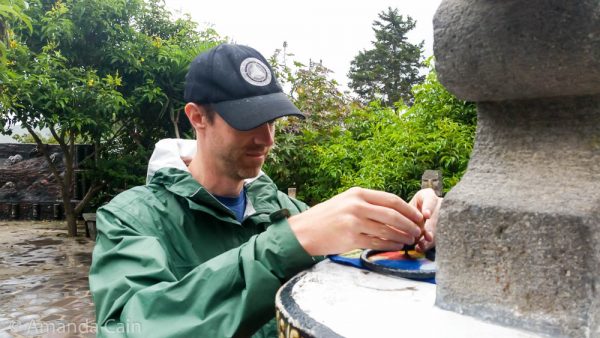
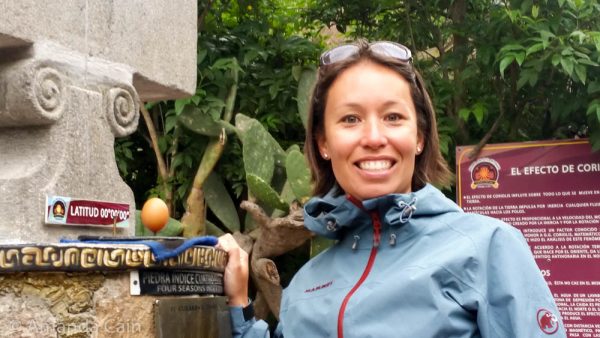
Since we succeeded in balancing our eggs we got “official” certificates and everything to prove how awesome we were! You can also get Equator stamps in your passport, but since I didn’t bring mine I was really upset that I didn’t get one. But they did stamp a little piece of paper for me, so I’ll have to staple that into my passport. Probably the most interesting thing was a demonstration of the Coriolis Effect which showed water draining out of a sink going in different directions depending if it was on the Equator, north or south of the Equator.
Quito
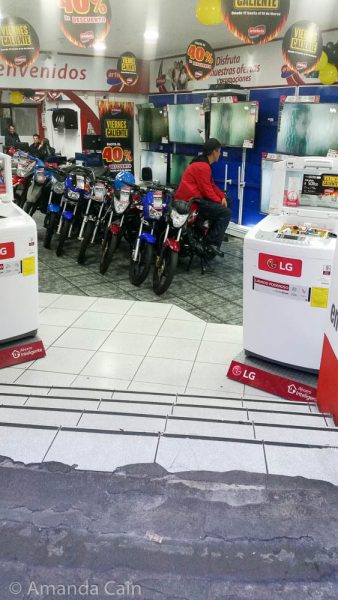
On our last day in Ecuador we finally got around to seeing the capital city itself. It’s not really a tourist attraction, but shopping in Quito is interesting. If you go walk around the old town there are people selling all sorts of things in the streets. And not just street food either. You can buy kid’s clothes, nice jackets and dresses, as well as coathooks for all your new clothes.
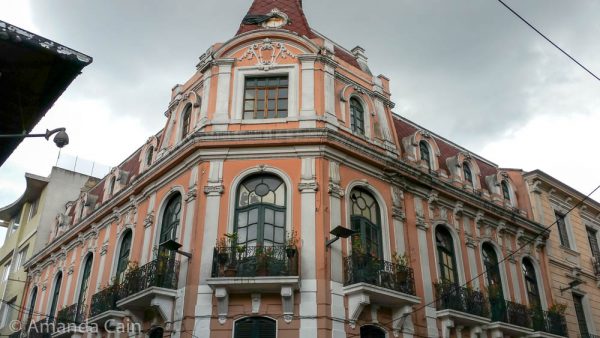
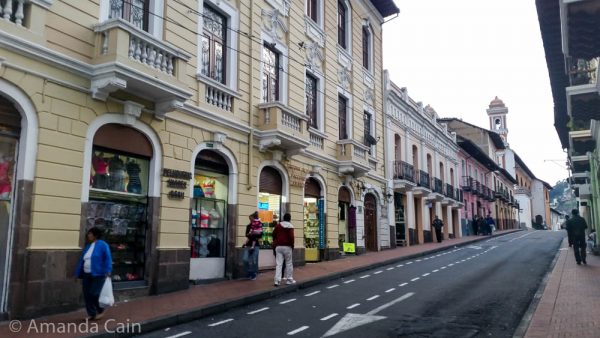
The main regular tourist attractions are the old colourful colonial-style buildings and some impressive churches. The first church we saw was a bit of a surprise as it was a huge gothic church that you’d expect to see in France or the UK, not in South America.
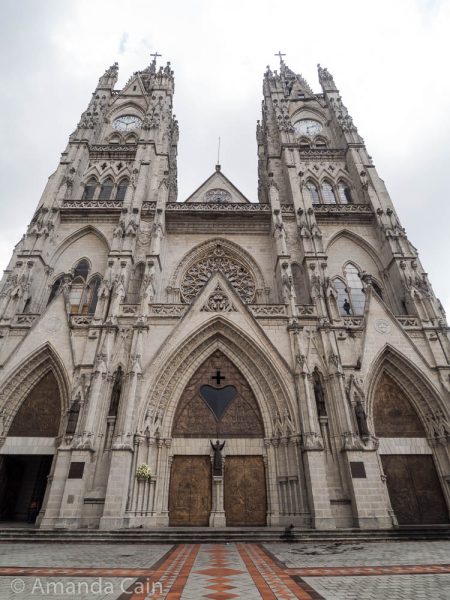
The gothic Voto Nacional Basilica is impressive because of its size. But the Jesuit church, Compañía de Jesús, was more impressive because everything inside was covered in a layer of gold. It was a very thin layer of gold, only 50kg in total, but it was done so well that it looked like the whole inside of the church was made of gold. (Unfortunately I don’t have any photos as cameras weren’t allowed inside).
After our 1.5 weeks in Ecuador it was time to move on to a completely new environment: the Atacama Desert of Chile.

Thank you Amanda and Pedr , Enjoyed all your photos coming to life from the Galapagos to Ecuador. Very interesting about that Equator effect on balance and movement, i did not know that.
Love,
Mum