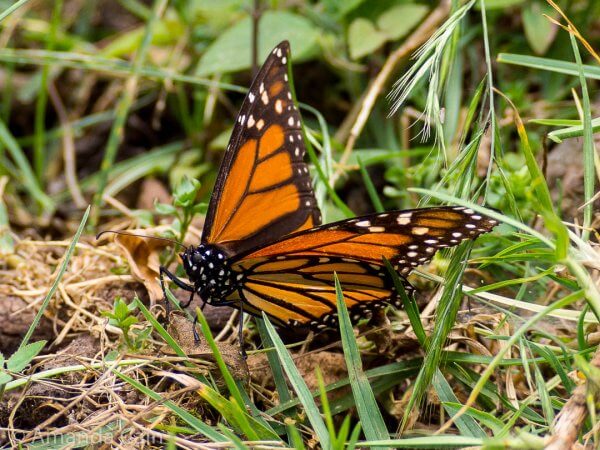
One of the most amazing things we’ve seen in our travels is the monarch butterfly migration in Mexico. Every autumn, monarch butterflies from all over North America travel to warmer climates to spend the winter. They like somewhere that’s cool, but not cold enough to be frosty. And moist but not rainy. The Central Highlands of Mexico fit that bill quite nicely, which is where we went to see them.
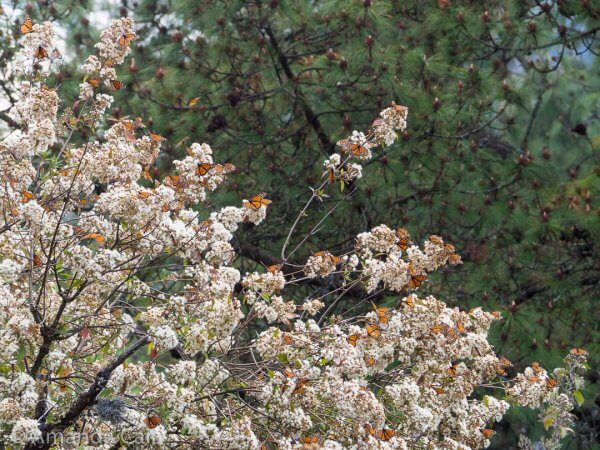
Monarch Butterfly Sanctuaries
The butterflies are pretty picky about where they go and they all come together in huge colonies in tiny pockets of forest. This year the authorities recorded butterflies in 2.5 hectares of forest spread between nine colonies in Mexico. (There are also other colonies in California & Florida as well.) Because of this you get ridiculous numbers of butterflies all crammed together in a small area.
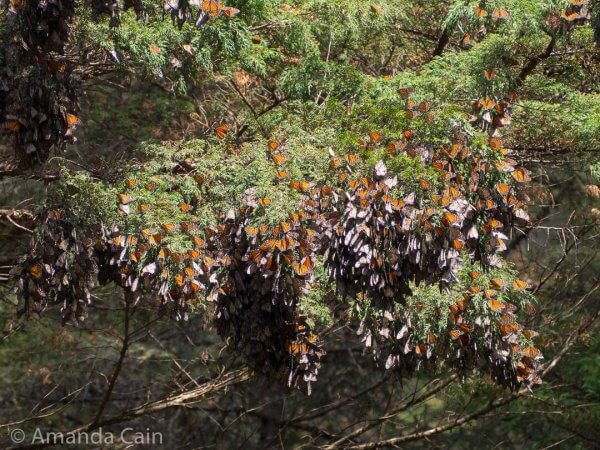
Cerro Pelon Monarch Butterfly Sanctuary
Out of the four most accessible butterfly sanctuaries, we decided to go to Cerro Pelon. (It was actually so good that we went there for a second day rather than go to a different sanctuary). Cerro Pelon is the hardest to get to, as you need to ride a horse for an hour (or walk for a couple of hours) up to 3000m of altitude.

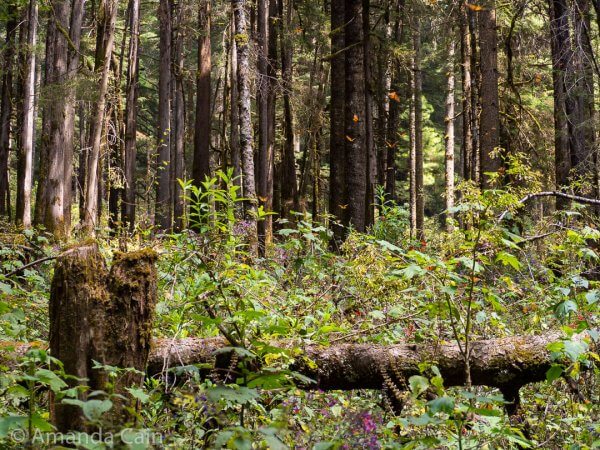
But this means it’s the least touristy, and the forest is still pretty pristine. Unfortunately illegal logging in the other sanctuaries has been pretty rampant so there aren’t many trees older than 30 years.
Resting Monarch Butterflies
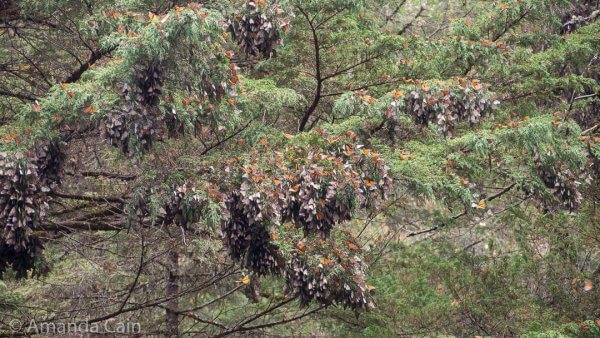
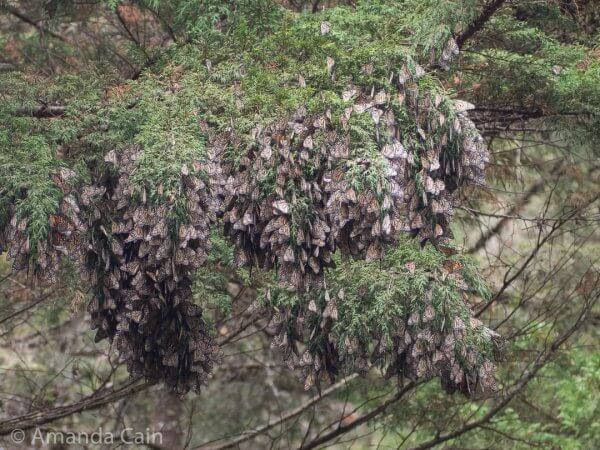
When the butterflies reach the sanctuaries they tend to cover entire branches and trees in huge clumps. Some trees have tens of thousands of butterflies on them. And the combined weight of the butterflies can even break branches!
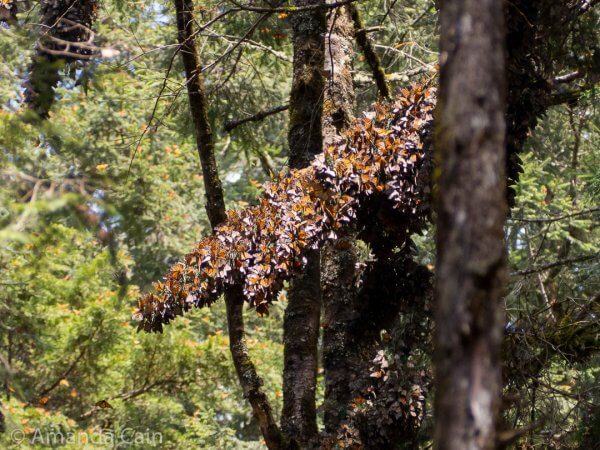
This is how they will spend most of the winter; clumped together for warmth and protection from predators. This also helps them conserve energy so that they will be able to begin the migration when spring arrives.
Here Comes the Sun
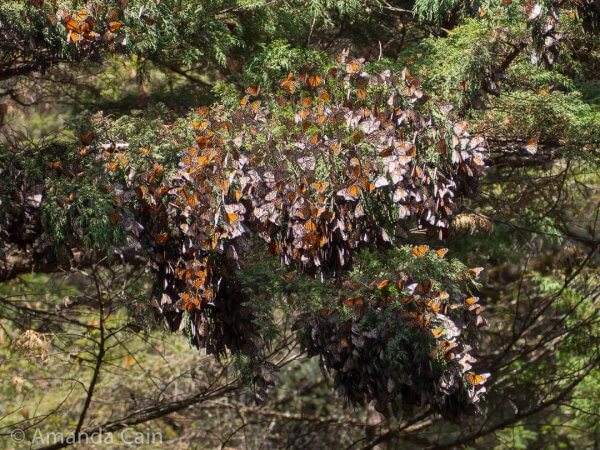
In March the weather starts to warm up, the days get longer and the butterflies become more active. So you’ll see more of them flying around the forest, feeding from flowers, and looking for a mate.
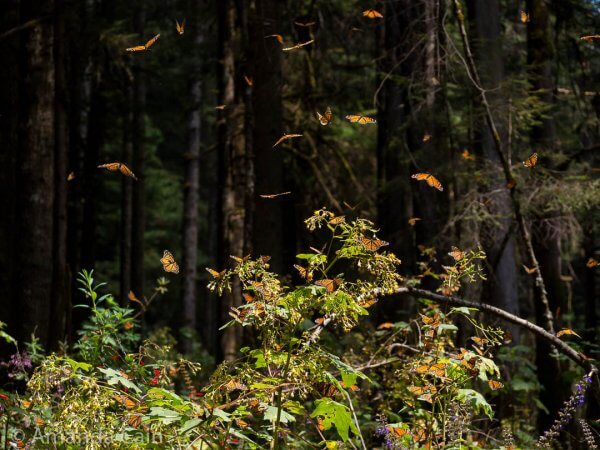
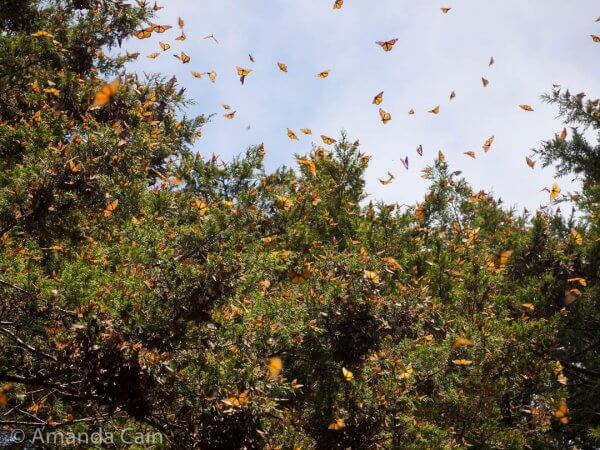
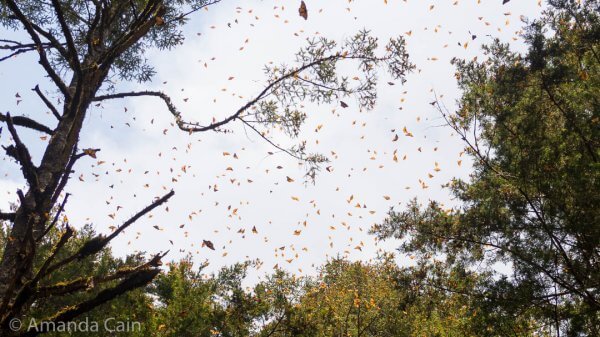
When we went it had been cloudy all morning, but while we were at the colony the sun finally started to shine through the clouds and wake up the butterflies. When the sun warmed up a cluster of butterflies they would all take flight at the same time, so it looked like an explosion of orange bursting out from the trees.
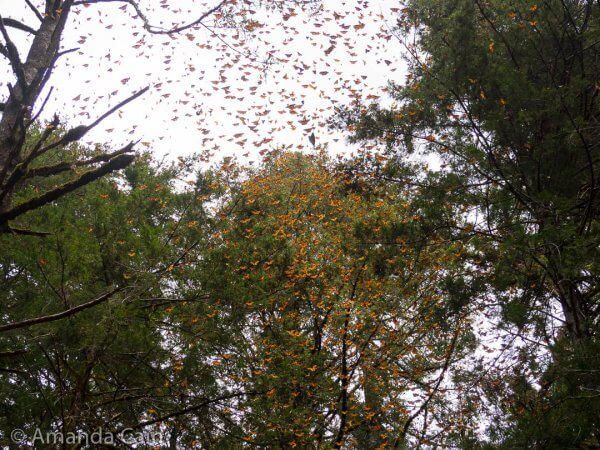
There must’ve been tens of thousands (or even hundreds of thousands) of orange monarch butterflies fluttering around all over the forest. Everywhere we looked all we could see were butterflies.
(Apologies for the poor/non-existent video editing skills. I’m a photographer, not a videographer.)
Monarch Butterfly Migration
One of the most amazing things we learnt is that when the butterflies migrate, the individual butterflies don’t do a complete migration. They don’t live long enough to do it. As adults, they only live for 2 – 5 months. So doing a complete migration takes 4 generations of butterflies. No one is really sure how they manage this amazing feat. The butterflies that spend the winter in the south will live the longest because they have to survive until spring before they can breed.
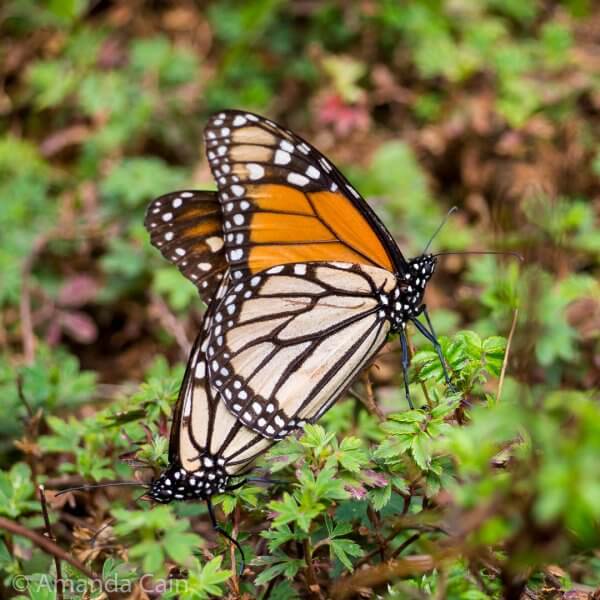
But the next generations only live for a couple of months in the warmer weather.

Another amazing thing is how far the butterflies can travel when they’re migrating. The full round trip of the Mexican monarch butterflies goes from Central Mexico all the way north to Southern Canada for the summer before heading back south to Mexico for the winter.
The butterflies that spent the winter in Mexico can get as far as Texas & Oklahoma before the next generation takes over. In order to travel this far the monarch butterflies use the high altitude winds to help carry them over the great distances. The official long distance record-holding butterfly travelled 4,635km during the migration. (They tagged the butterfly which is how they know).
Threats to Monarch Butterflies
Even though it seemed like there was an endless number of monarch butterflies when we visited Cerro Pelon, their population numbers are actually quite low. This year monarch butterfly colonies occupied 2.5 hectares of forest, but twenty years ago it was as high as 18 hectares.
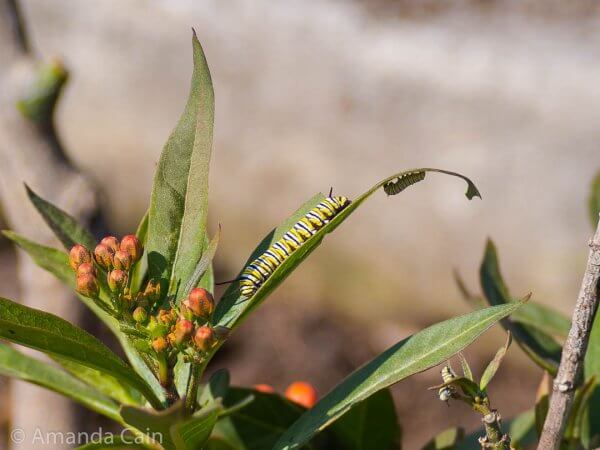
Conservationists think that the high number of hurricanes during the autumn migration may have been a factor for the large drop in butterfly numbers from the year before. But there are other long term issues like habitat destruction, removal of milkweed plants (critical for monarch caterpillars), pesticide & herbicide overuse as well as illegal logging in the sanctuary forests are reducing the numbers of monarch butterflies.
Some scientists even think that the yearly migration may be in danger of extinction in the next 20 years. There are other monarch butterflies that don’t migrate, so the monarch butterflies themselves are not in danger of becoming extinct. But it’s sad to think that one day in the not too distant future that this spectacular sight may no longer exist.

Leave a Reply