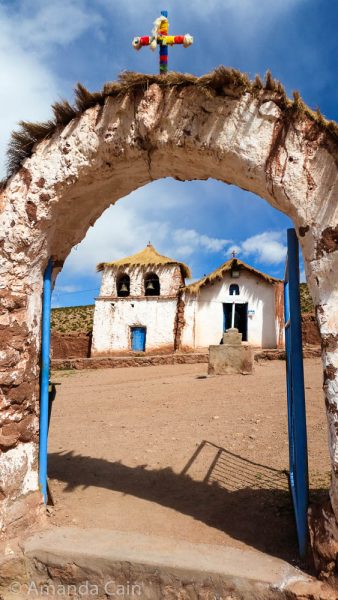
After the animal filled Galapagos Islands, and the lush cloud forests of Ecuador we went to a completely different landscape: the high altitude, dry, barren landscape of the Atacama Desert in Chile. The main town (for tourists anyway) is San Pedro and this is actually a green(ish) oasis in the middle of the desert. All the buildings are red adobe bricks, and all the roads in the town are dusty dirt roads, so you really do feel like you’re in the desert.
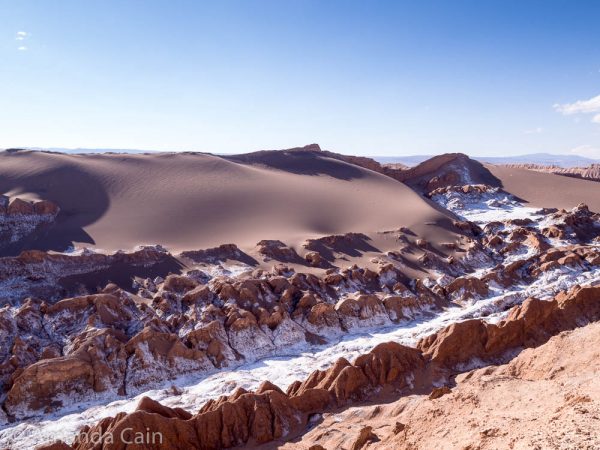
Valle de la Luna
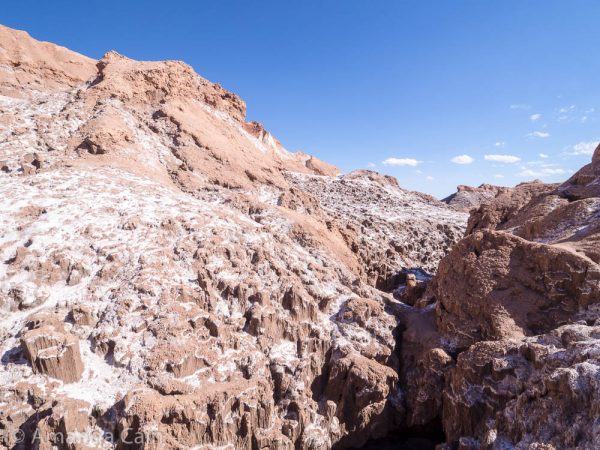
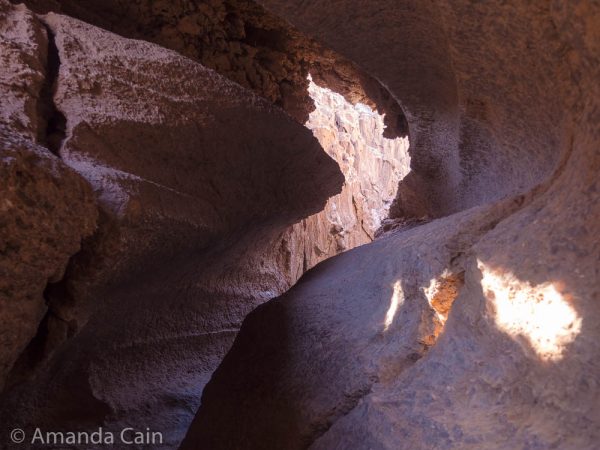
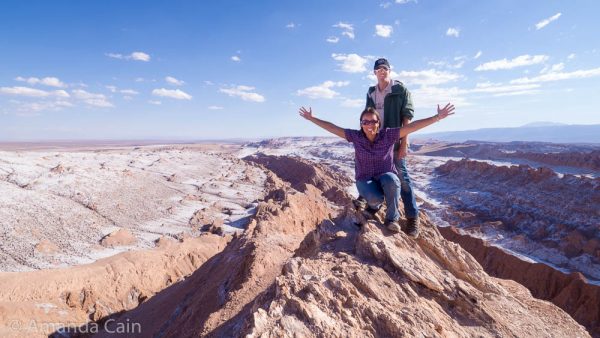
Most people come to the Atacama Desert to see the weird landscapes. One of the most interesting is the Valle de la Luna (Moon Valley), which used to be part of the ocean but became a salty lake before it eventually dried out and became the salt flats of Atacama. But because of all the geological activity, sections of the salt flats were pushed into mountains and valleys and other strange rock formations. They’re all covered in dust so they look like normal rocky formations, but they’re actually all made from salt.
Geyser del Tatio
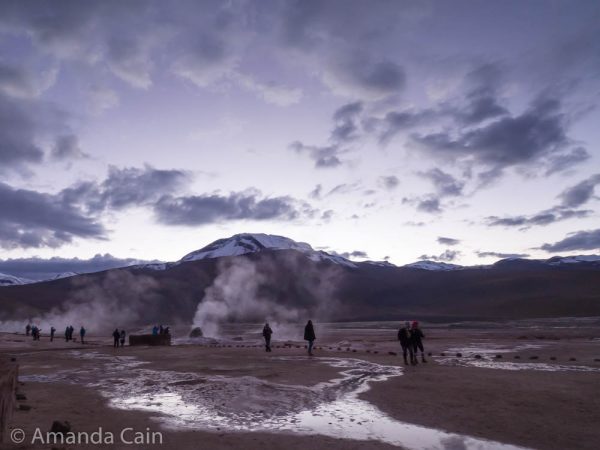
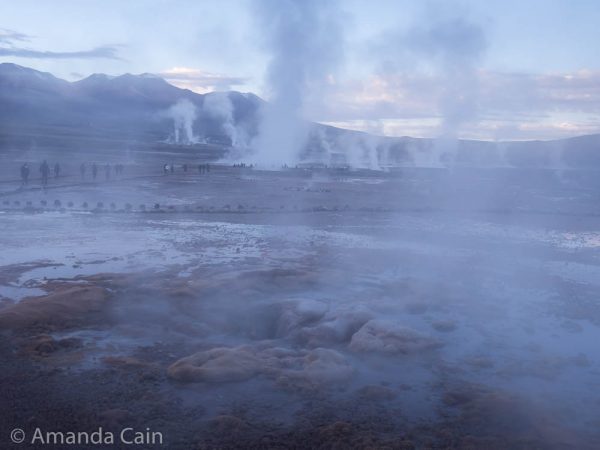
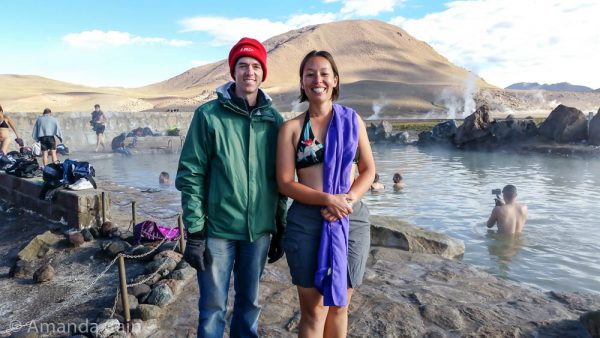
Another popular attraction is the Geyser del Tatio. This is the highest altitude geyser in the world and the whole area looks like a steaming cauldron which you can walk around in. You have to get here at dawn to see the geyser, because it needs the cold night air mixing with the hot steam to create the steaming effect. After a couple of hours the air warms up and you can’t see the steam anymore.
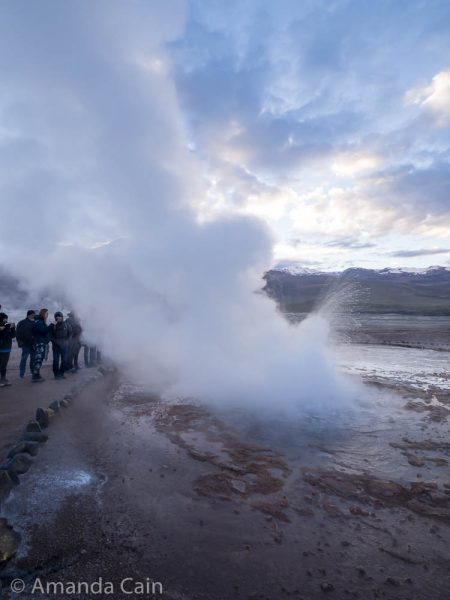
After visiting the geyser a popular activity is to go for a dip in the nearby hot springs. Pedr thought it was too cold to change into swimmers so it was just me.
Piedras Rojas
The Piedras Rojas are an area with very strange looking rock formations. The rocks look like big squares of clay that have been stuck together by a giant. They don’t look like they could have been formed naturally.
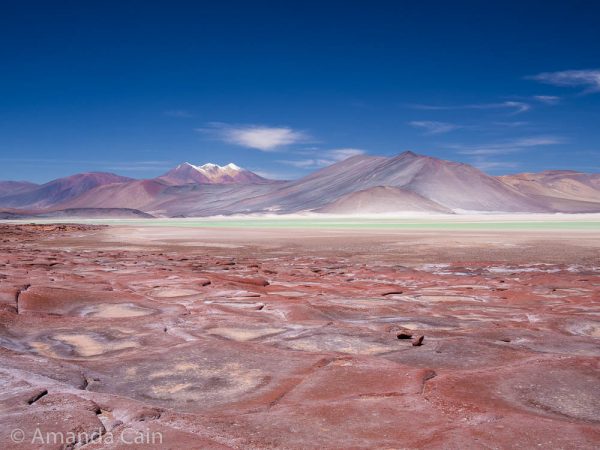
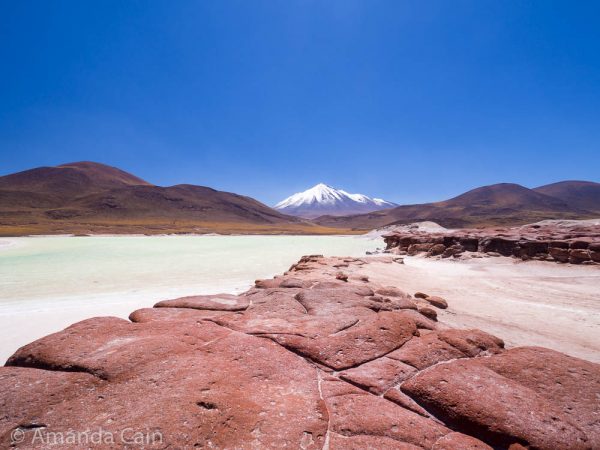
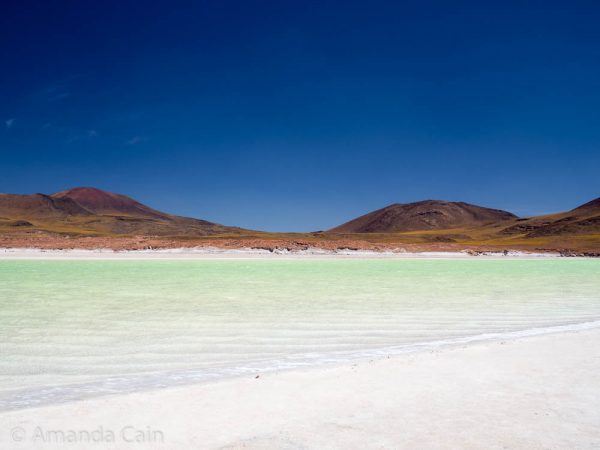
Another part of the Piedras Rojas area is the turquoise-green lagoon that looks like it could be from a tropical island. But it’s actually a super salty lagoon with a white “sand” beach that is really made from salt. Pretty much everything is salt or sand in the Atacama Desert.
Stargazing
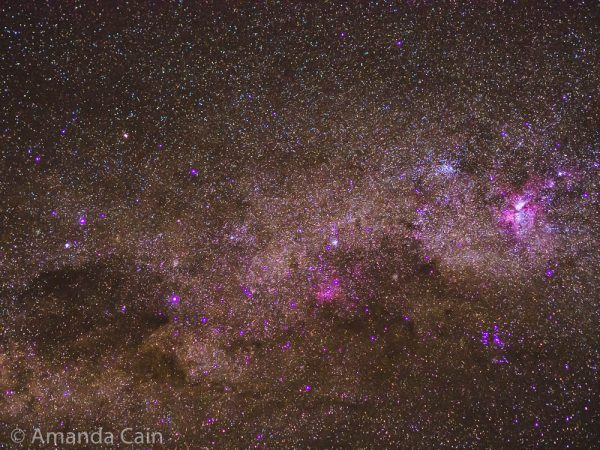
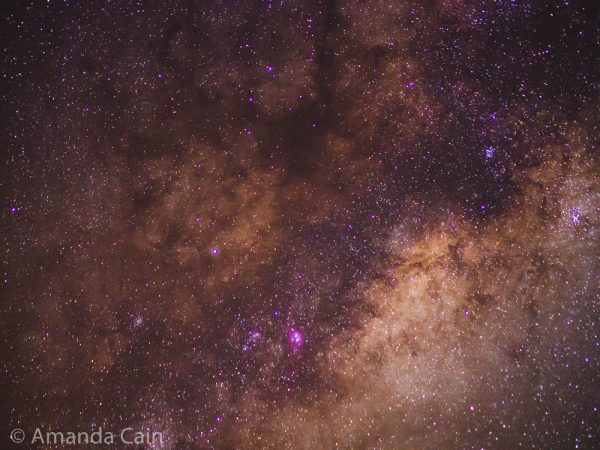
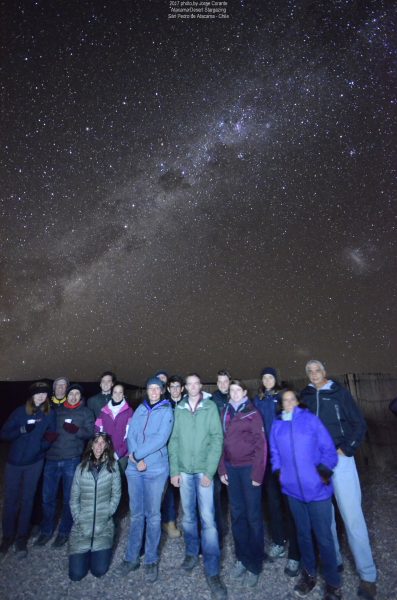
The Atacama Desert is a popular place to go stargazing because it has clear skies most of the year and there is almost no light pollution. Even walking around town at night with the streetlights we could still see far more stars than we could dream about back home. It was actually dark enough to see the 5th star in the Southern Cross! We booked a stargazing trip with one guy who was so passionate about astronomy that the 3-4hr trip became a 6hr trip because he wanted to show us Jupiter, Saturn & the moon (which didn’t rise until about 3:00am). We were pretty tired but it was cool to see the Red Spot on Jupiter and the rings of Saturn with our own eyes (through telescopes of course!).
Volcan Lascar
Most of our trips in the Atacama Desert were pretty easy sit-in-a-minibus type activities. But we did do one difficult, adventurous activity: we climbed up an active volcano!
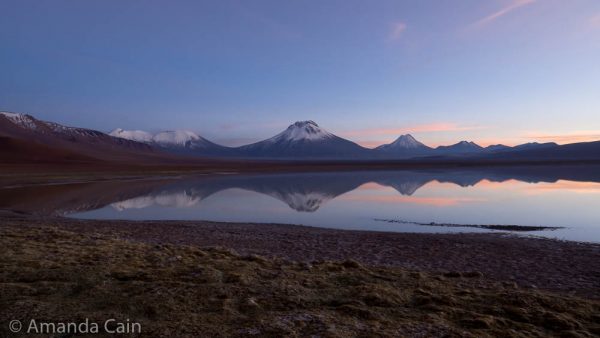
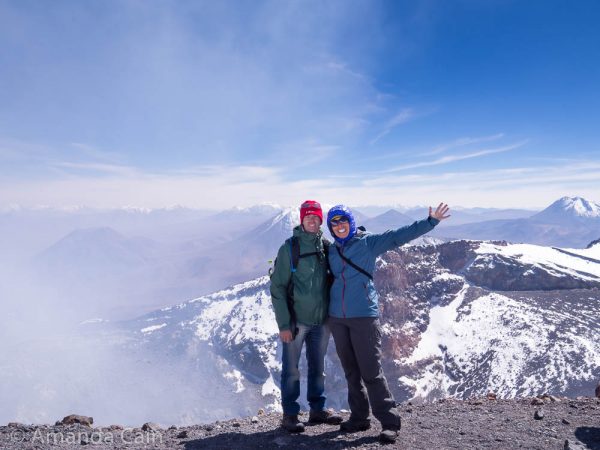
Volcan Lascar is still quite active, it erupted only two years earlier. And as we climbed we could smell the sulfur coming out of the crater. The procedure for climbing the volcano was pretty simple: drive a 4WD up the side of the volcano as far as possible, then carefully get out so that you don’t make the car slide backwards down the sandy slope, then just walk uphill slowly. The terrain wasn’t too difficult, it was mainly a constant slope uphill on loose gravel/sand. But the altitude was the killer. We started climbing the volcano at 4800m above sea level, which was 2300m above San Pedro. The rim of the crater was 5600m, which is higher than Everest Base Camp. So it’s proper high altitude.
One of the people in our group had to turn back after 15min because she was feeling so sick from the altitude, and the other guy didn’t look much better but he managed to make it up to the top. We didn’t do this until we had spent a week above 2500m, and we took some medication before we started so we managed to avoid altitude sickness. But it didn’t stop the breathlessness from the thin air. The last 100m to the top were the slowest. I had to keep stopping every 5min to catch my breath even though I was going pretty slow. Pedr tried to walk at a normal pace but had to stop after 30sec because he felt his heart hammering in his throat. But, slowly and surely we made it to the top after 4 hours. It definitely felt like a proper achievement!
The crater of the volcano is very impressive too. You can’t see the bottom because it’s so deep, and the walls of the crater have vents letting out smoke and sulfur. Luckily we didn’t feel or hear any rumbling so there was no eruption to worry about.

WoW, amazing!!! Very strange place to be…. Congratulation with your climb!!
Thanks Pascal! Making it up to the crater was amazing, especially since you can’t see the bottom of it. Maybe this means you’ll be going to the Atacama Desert one day!
Good to be fit you can do that, you’re with the clouds, well done!
Great photo’s and love to read your story’s and what an experience to make it to the top and look down into the crater. I’m just getting jealous . Enjoy what you’re doing and take care.
Hi Dad! Glad you’re enjoying the photos and stories. Don’t worry we’ll be careful and not do anything too dangerous. Just enough to make it exciting. 😉